
Context
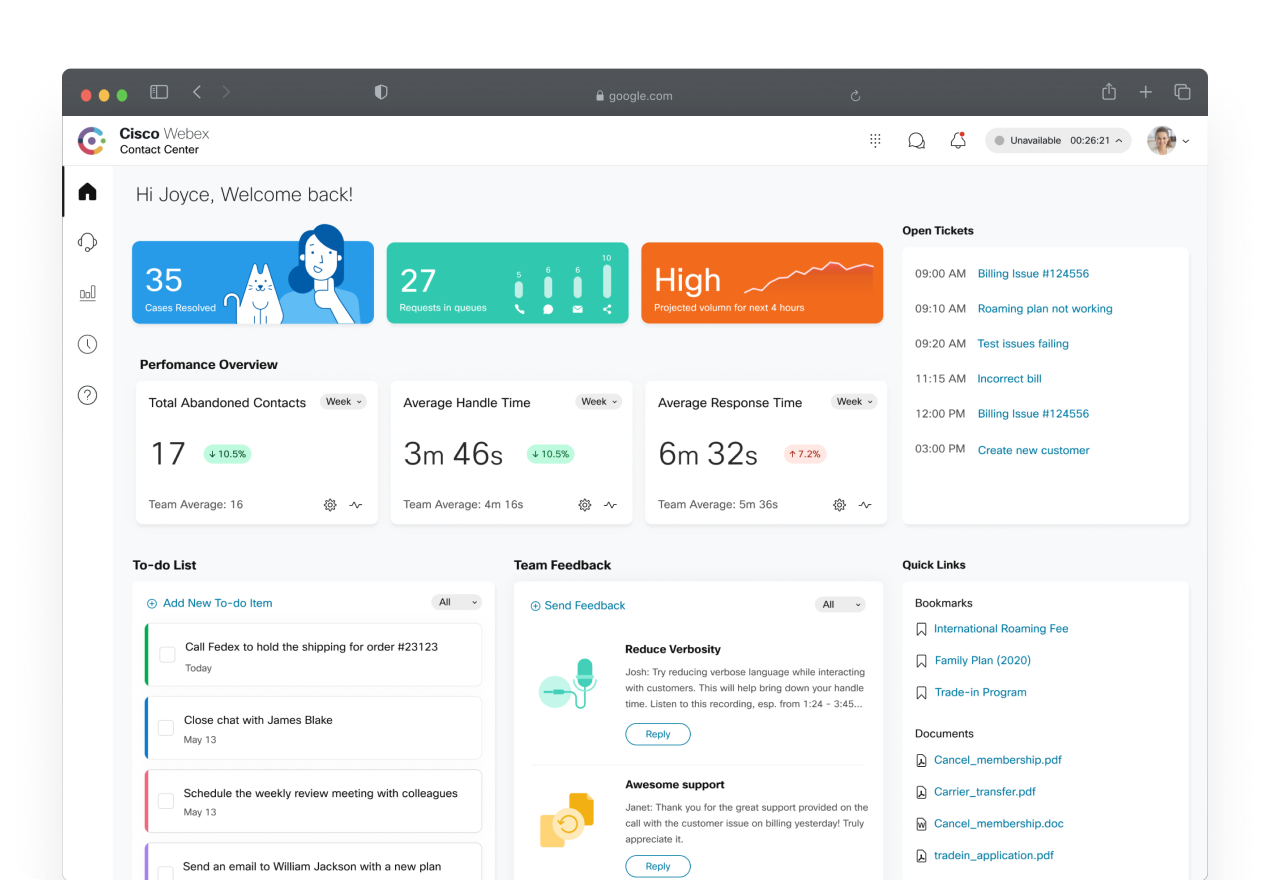
The current agent desktop for Cloud had several experience limitations which we needed to resolve to make it the best-in-class desktop solution for the SMB segment. This was a critical business goal to help migrate our on-prem customers to cloud to increase our revenue possibilities significantly, while catering to the asks of our existing customers. Agent Desktop, is an enhanced desktop solution, with a re-designed user experience for replacing the legacy solution. The main focus was on re-designing the information architecture and layout and identifying key features going forward.
Goals
The business agreed to invest in a research initiative involving visits to 6 of our customers spanning across multiple locations, to get feedback on the current set of contact center solutions being provided - agent desktop being a pivotal one.
- The objective was to get feedback on the existing experience and improve upon to make it the best-in-class agent desktop solution out there in the market.
- The major business goal was to eventually migrate our customers from on-prem to cloud and ensure a seamless transition.
To understand the pain points, we decided to go on a research trip visiting 5 sites and conducted 34 research sessions with agents, admins and report designers.
Research
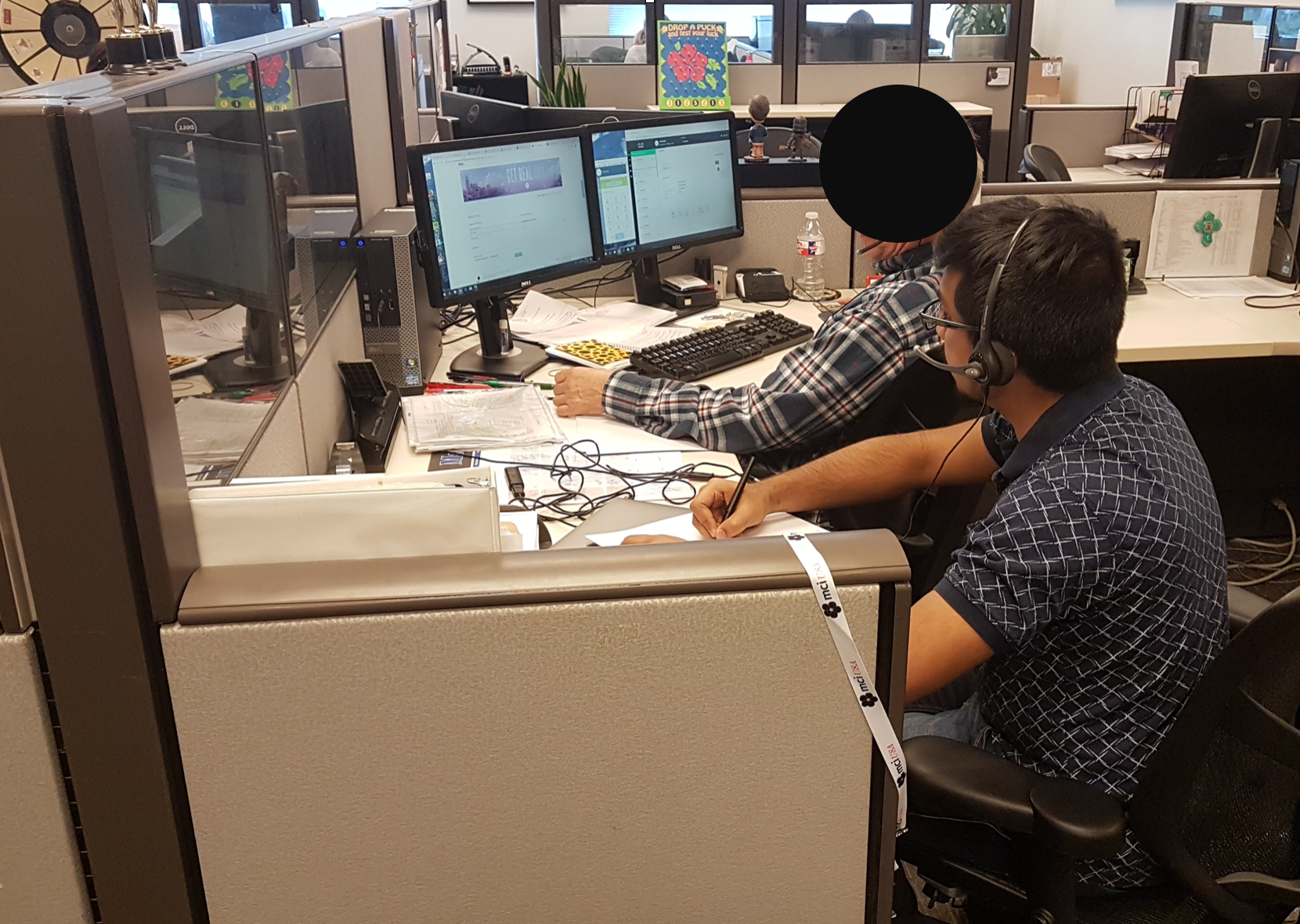
We visited 5 sites and talked to 17 agents, 7 supervisors, 5 administrators and 5 report designers spanning 2 weeks and across multiple cities - Phoenix, Atlanta, Dallas, Pittsburgh and Asheville. The objective was to understand current pain-points with the solution and also observe them in the contact center settings. My primary focus was on the Agent persona while also supporting research for the Admin persona.
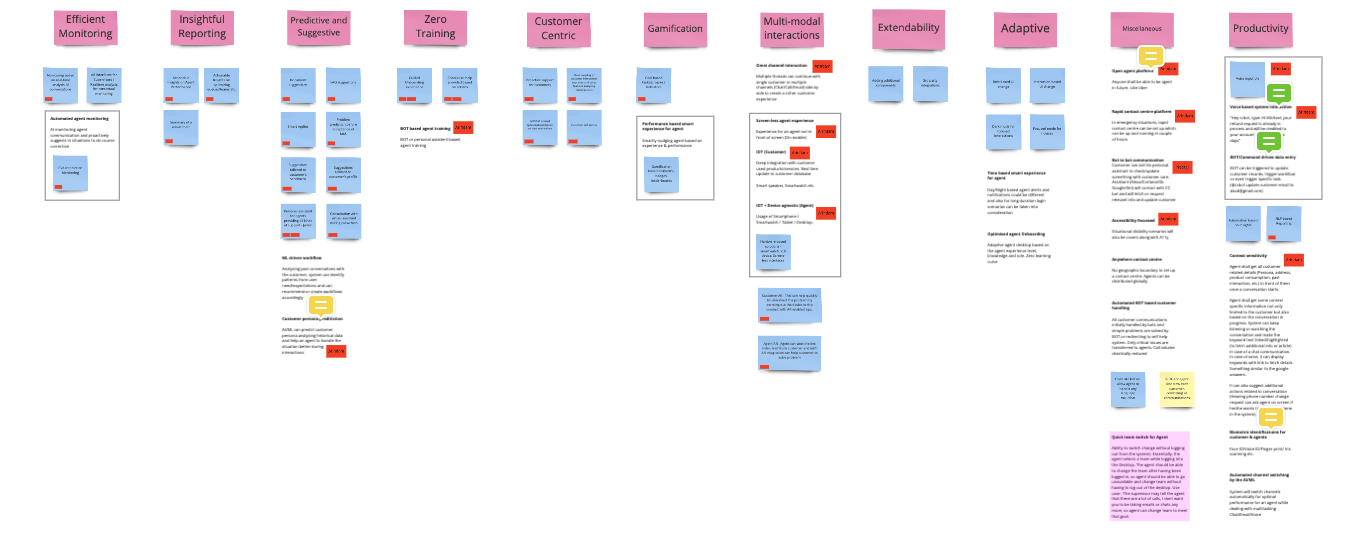
I and one other designer involved in the effort transcribed the recordings and collated the notes. After extracting relevant snippets from the interview, we did an affinity mapping exercise to identify the over-arching categories and themes and generated insights. These categories were also used in subsequent steps for the ideation phase. This was done in collaboration with the Product Manager to keep them in the loop throughout. This helped in generating an overall picture of a day in the life of an agent.
Ideation
The layout and IA was one of the most critical sections of this effort. We came up with several iterations and weighed the pros and cons of each option to arrive at an optimal solution. This work helped the UI architect plan out the development work much in advance.
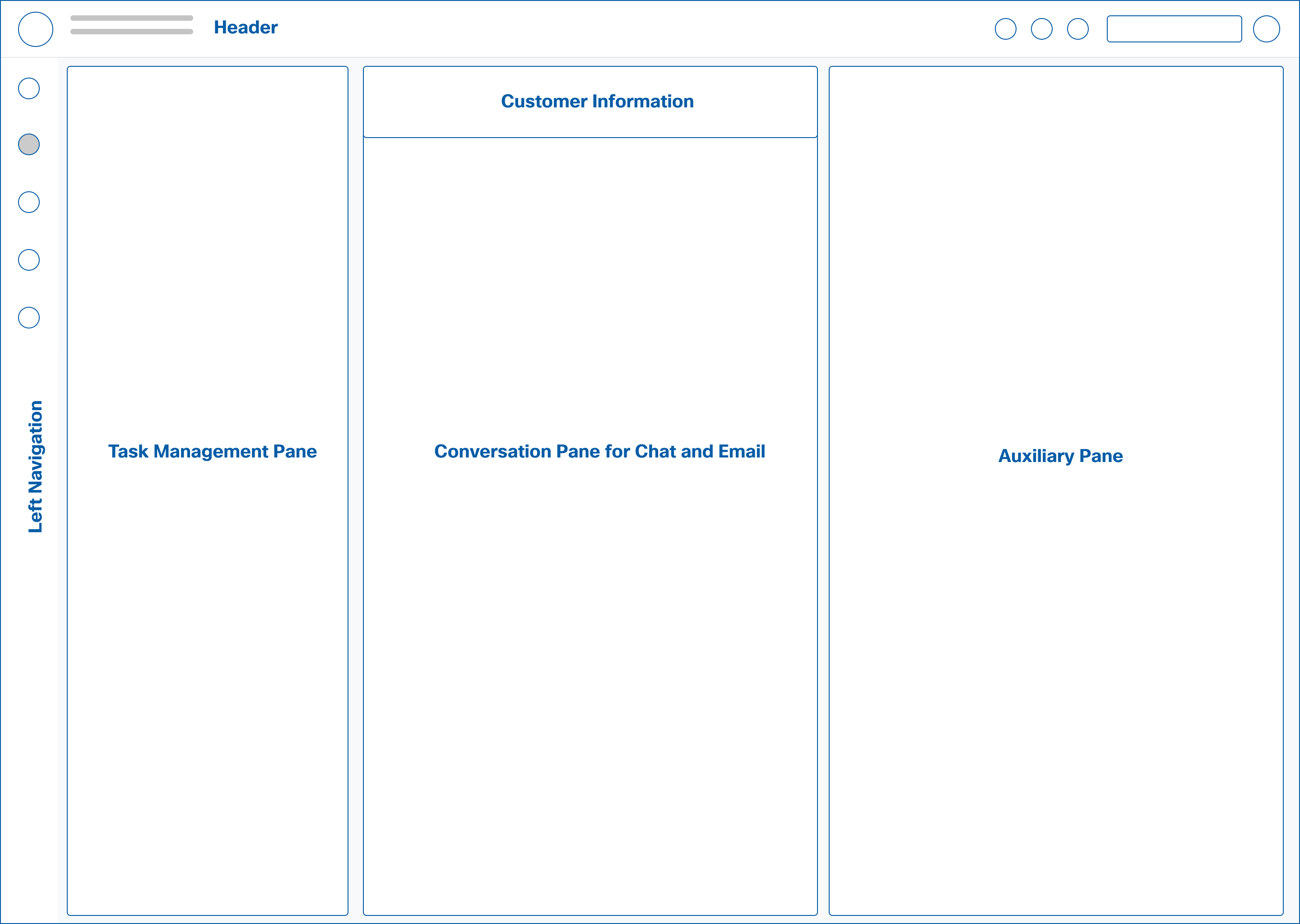
We started with creating wireframes and focusing on individual components within Agent Desktop - for eg. Task Management Pane, Conversation Pane etc. This led to focused investigation on the different possibilities for each such component and the intricacies involved. This component based approach also helped the Development team with their work as they were planning to use Web Components as part of the overhaul in the UI Architecture and gave them a head-start rather than waiting for the detailed designs to be fleshed out. For eg. as CSS Grid was being used, we could provide breakdown of the layout into fractional values that the development team could use as inputs while creating the individual web components.
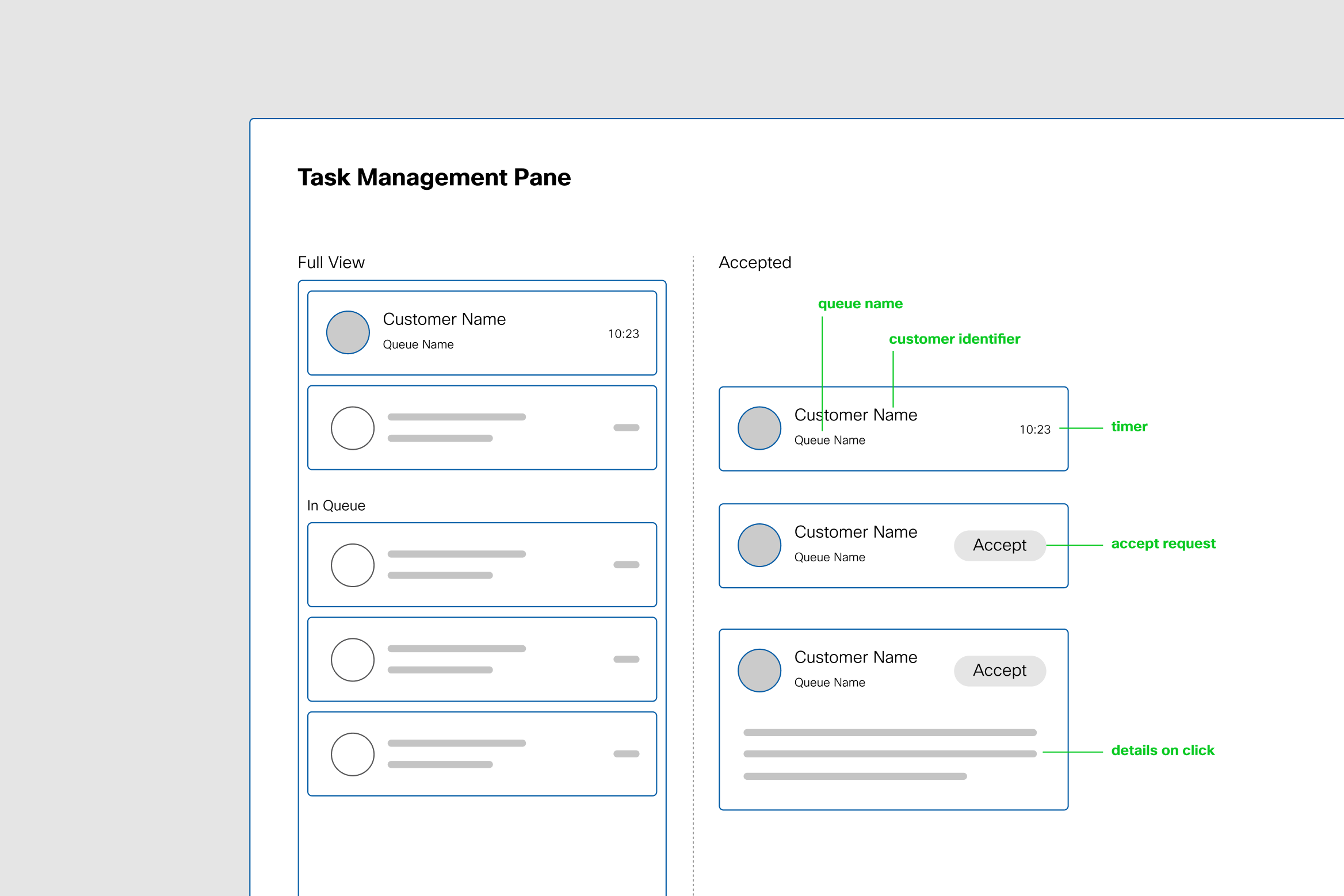
Based on agreement reached on the high-level wire-frames and the roadmap defined for the product, the team started working on the detailed designs with assistance from the visual designers in the project. This phase was primarily led by another interaction designer in our team as I transitioned into the Flow Designer project which required more UX support. I continued to support some detailed design efforts in this project over the course of implementation.